
Custom Carhartt Beanies: Embroidered to Order
Carhartt beanies are the most requested knit blank in custom headwear, and there is a straightforward reason: people already own one, already know it holds up, and will wear the one you give them.
That last point matters more than anything else on a branded order. Speedy Pros Hats is a family-run hat shop in Tampa Bay that has been embroidering knit headwear since 2009.
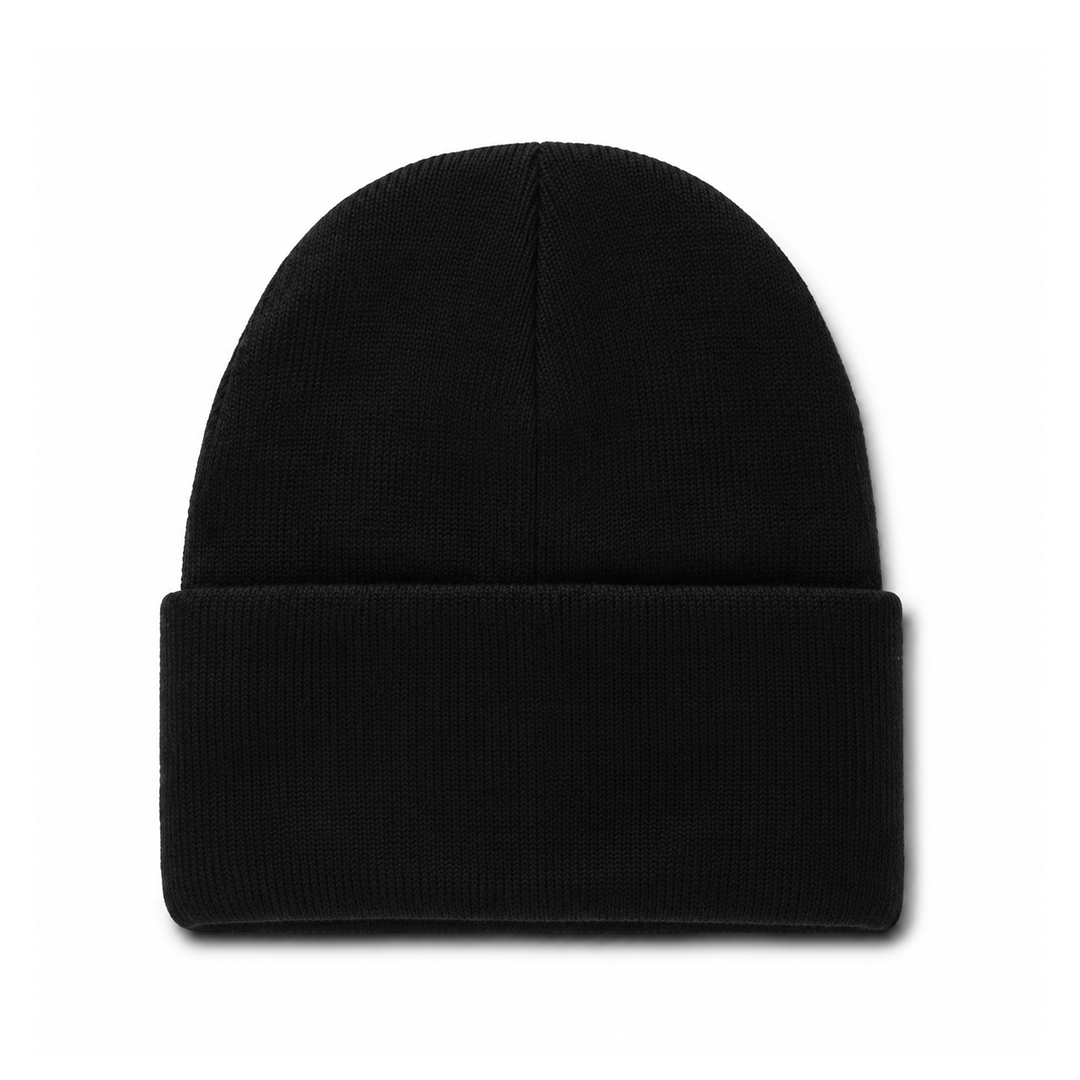
- The cuff is the placement. Doubled knit, flat, and at eye level.
- Keep stitch counts moderate. Knit stretches; dense fill puckers it.
- No minimum. Order one custom Carhartt beanie or a thousand.
Custom Carhartt Beanies: The Short Answer
Custom Carhartt beanies are Carhartt knit blanks embroidered with your logo, most often on the folded cuff where the double layer of knit holds stitching cleanly. Speedy Pros Hats decorates them to order in the Tampa Bay area with no minimum, free artwork setup on orders of 12 or more, and a free digital proof before anything is stitched.
Why This Blank Gets Requested by Name
Most branded headwear has a wearability problem. It gets handed out, worn once out of politeness, and disappears into a drawer. Carhartt knit does not have that problem, because the recipient already recognizes it as something they would have bought.
That recognition converts directly into wear time, and wear time is the entire return on a branded beanie. A logo on a hat that lives in a truck console for three years does more work than the same logo on something nobody puts on twice.
The second reason is durability — knit that holds its shape through a working winter keeps your embroidery presentable. A blank that stretches out and slouches badly makes the logo look bad by association, which is a failure mode people rarely anticipate.
Treating a knit blank like a structured cap front. A stitch file that sits flat on a trucker will draw the knit in and pucker it. The design needs re-digitizing for knit, not just resizing.
Which Carhartt Knit Style
| Style | How it wears | Decoration surface | Best for |
|---|---|---|---|
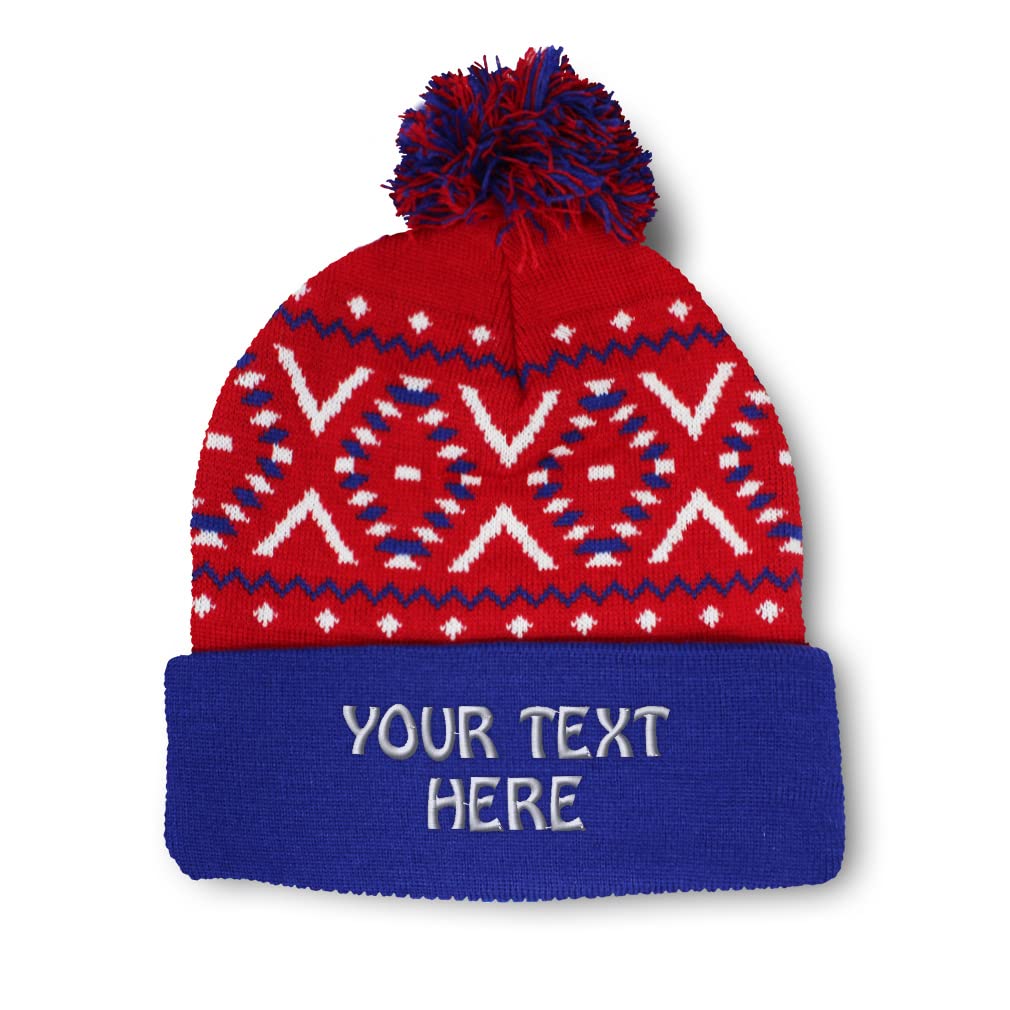
| Cuffed knit | Folded band at the brow, traditional fit | Best — doubled knit is stable under a needle | Crews, uniform programs, most branded runs |
| Watch cap | Short cuff, close to the head | Good — narrower band, keep designs compact | Marine, trades, a cleaner modern look |
| Uncuffed | Longer crown, sits lower | Single layer — keep designs simple | Lifestyle and retail merchandise |
| Lined | Fleece band at the brow | Excellent — lining stabilises the knit | Cold conditions, outdoor crews |
| Pom | Cuffed with a pom on the crown | Same as cuffed | Seasonal retail, teams, winter events |
Cuffed is the default for a reason — it decorates best and it is what most people reach for.
In short. Order cuffed unless you have a specific reason not to, because the folded band gives the needle two stable layers and puts your logo where people look.
How Knit Changes the Decoration
Knit is not woven fabric, and every decoration decision follows from that. Woven twill on a cap front holds its dimensions under a needle. Knit stretches in every direction, so a design that sits perfectly on a structured blank can distort noticeably here.
Two rules follow — keep the stitch count moderate, because a dense fill pulls the surrounding knit inward and leaves a visible pucker no amount of pressing fixes. Favor designs that read at a glance, because the surface curves away on both sides, a wide logo loses its ends.
The cuff is where these problems mostly go away. It is doubled, comparatively flat, and it does not move the way a single-layer crown does. That is why cuffed styles dominate branded knit orders.
Acrylic knit takes embroidery more predictably than a loose wool blend because the yarn is more uniform. If a design has any fine detail, the yarn matters as much as the stitch file does.
Logo Placement That Works
Centred on the cuff is the standard and it is right most of the time. What deserves a decision is size, because a cuff logo filling the entire band looks like a uniform, and a smaller one looks like a product.
For hats you intend to sell, smaller almost always performs better. Customers buy restraint — for crew and uniform runs, prominence is appropriate because the hat is doing an identification job rather than a merchandising one.
A second placement on the back or side of the cuff (a small mark, a date, an initial) is the cheapest way to make a beanie look designed rather than branded — very few people use it.
Color Selection
Thread that reads correctly against woven twill can look different against knit, because the surface texture changes how light hits it. A color approved on a cap proof is not automatically approved for a beanie.
Contrast is the thing that decides whether a beanie logo works at distance. Tonal, low-contrast marks photograph beautifully and disappear in person, which is the opposite of what branded headwear is for. Dark knit with a light mark, or light knit with a dark mark, is the reliable pairing.

If you are running caps and beanies as one program, review both proofs side by side before approving either. Thread that matches across the two is the detail that makes a program look deliberate.
Ordering for a Group
Beanies are the simplest branded item to order for a mixed group, because one size covers almost everyone. There is no sizing survey, no size bands, and no swaps afterwards.
That makes them a sensible first branded item for a business that has not done headwear before. It also makes them the right answer for events and giveaways where you have no idea who is receiving them.
The variable worth planning is quantity rather than size. Order above headcount — people lose beanies, new staff arrive, and reordering a handful later means a fresh run and a possible dye-lot difference on those few pieces.
Speedy Pros Hats keeps your digitized stitch file on record, so a reorder runs from the identical map rather than a recreated one. The embroidery matches exactly; only blank dye lot can vary.
Caring for a Custom Knit Beanie
Cold water, hand wash, laid flat to dry. Knit stretches while wet and sets in whatever shape it dries in, so hanging a wet beanie is the fastest way to ruin its fit permanently.
Heat is the other enemy — it felts wool and can shrink acrylic unevenly, and neither is recoverable. A beanie that has merely stretched out can usually be brought back with a cold wash and flat drying; one that has felted cannot.
The embroidery itself is the durable part. Polyester thread is colorfast and survives cold washing indefinitely, so the logo will outlast the knit around it.
Beanies Alongside Caps
Most businesses that order custom hats eventually want a cold-weather option, and running them as one program rather than two keeps the brand consistent. The same digitized logo can be adapted for knit rather than recreated from scratch.
In Florida that program skews toward lighter weights. A heavyweight lined beanie photographs well and sits unused; a lighter blend gets worn on the handful of cool mornings and on evenings out year-round. Matching the weight to the climate is what decides whether the order gets used.
Getting Custom Carhartt Beanies Right the First Time
Pick cuffed, keep the design within what knit will hold, choose contrast over subtlety, and order above headcount. Those four decisions cover nearly everything that separates a beanie people wear from one they store.
Speedy Pros Hats sends a free digital proof before anything is stitched, showing placement and thread colors against the actual yarn color. Family-owned in the Tampa Bay area since 2009, rated 4.9 out of 5 across more than 23,000 reviews. No minimum, and free artwork setup on orders of 12 or more.
More recent guides: custom pom beanies guide.


Frequently Asked Questions
Can you embroider a logo on a Carhartt beanie?
Yes. The cuff is the standard placement because the folded band gives two stable layers of knit, which holds stitching cleanly and puts the logo at eye level.
Is there a minimum order for custom beanies?
Not at Speedy Pros Hats. Order one or a thousand — artwork setup is free on orders of 12 or more.
Which beanie style takes embroidery best?
Cuffed. Uncuffed and slouch styles put the logo on a single moving layer, which limits how detailed a design can be.
Will embroidery stretch or distort on knit?
Not if the file is digitized for knit. Problems come from reusing a stitch file built for a structured cap front, where the density is too high for knit to support.
How do I wash a custom beanie?
Cold water by hand, laid flat to dry. Never hang a wet beanie and never use heat, knit sets in whatever shape it dries in.
Can I match my cap and beanie logos?
Yes. The same digitized file is adapted for knit, and reviewing both proofs together ensures the thread colors read consistently across the two fabrics.
Related Reading
- Custom Beanies
- Beanie Styles Explained
- How to Wear a Beanie
- Toboggan vs Beanie
- Custom Hat Buyer's Guide
Browse custom beanies
Shop the range: custom beanies.
Speedy Pros also makes a full range of custom beanies — shop the Port & Company CP90 Cuffed Knit Beanie.
Browse all custom Flexfit hats.
Customize a Carhartt beanies hat
★★★★★ 4.9/5 · 23,000+ reviews · Made in the USA
Related guides: custom embroidered visors, personalized beanies, knit beanies buying guide, beanies buying guide, Carhartt beanie vs Richardson beanie, embroidered beanie, lined or unlined beanies, and beanies near me.