
How to Wear a Beanie: Placement, Style, and Common Errors
A beanie is the easiest hat to own and the easiest to wear badly, because the two variables that matter, how far back it sits and how much cuff you show, are both invisible until someone gets them wrong. Speedy Pros Hats is a family-run hat shop in Tampa Bay that has been decorating knit headwear since 2009.
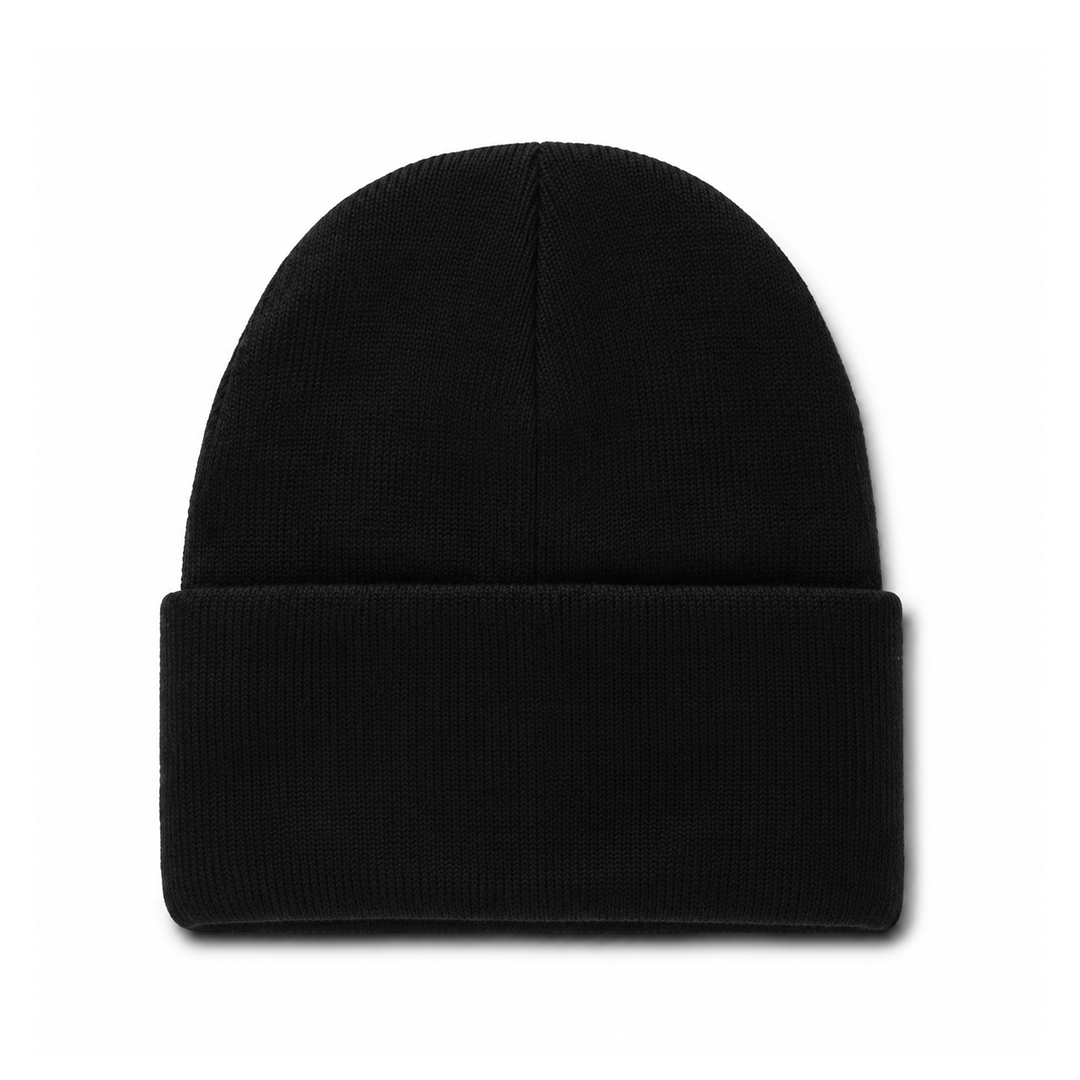
- The cuff should sit just above the eyebrows or just below the hairline. Between the two is the awkward zone.
- Slouch belongs at the back. Excess fabric pooling on top looks like a bad fit.
- Cuffed suits most faces. Uncuffed lengthens; slouch softens.
How to Wear a Beanie: The Short Answer
Pull a cuffed beanie down so the folded cuff sits roughly a finger's width above the eyebrows, covering the tops of the ears, with the back of the hat sitting at the base of the skull. Any excess length should fall behind rather than bunching on the crown.
The Two Correct Positions
There are only two positions that look intentional. The first is low: cuff just above the eyebrows, ears covered, which is the traditional cold-weather wear and the most universally flattering.
The second is high. Cuff sitting at or just behind the hairline with the forehead fully exposed, which reads as more casual and modern. It works better on uncuffed and slouch styles than on a heavy cuffed knit.
The failure zone is between the two, mid-forehead, half the hairline showing. It looks like a hat that has slipped rather than one that was placed, and it is the single most common error.
Letting the excess length of a slouch beanie pool on top of the head rather than behind it. Slouch is meant to fall backward; on the crown it looks like a hat two sizes too big.
Matching Style to Face and Hair
| Style | Suits | Wear it | Watch for |
|---|---|---|---|
| Cuffed | Almost everyone | Cuff above the brows, ears covered | Too high looks unfinished |
| Uncuffed | Rounder faces — adds length | Slightly back, snug to the head | Pulled too low it flattens features |
| Slouch | Longer faces — softens height | Excess falling behind | Bunching on the crown |
| Pom | Casual and seasonal wear | Same as cuffed | Reads distinctly informal |
| Fisherman / short cuff | Most faces, modern look | High, at the hairline | Offers little actual warmth |
Cuffed is the safe default; the others solve specific proportion questions.
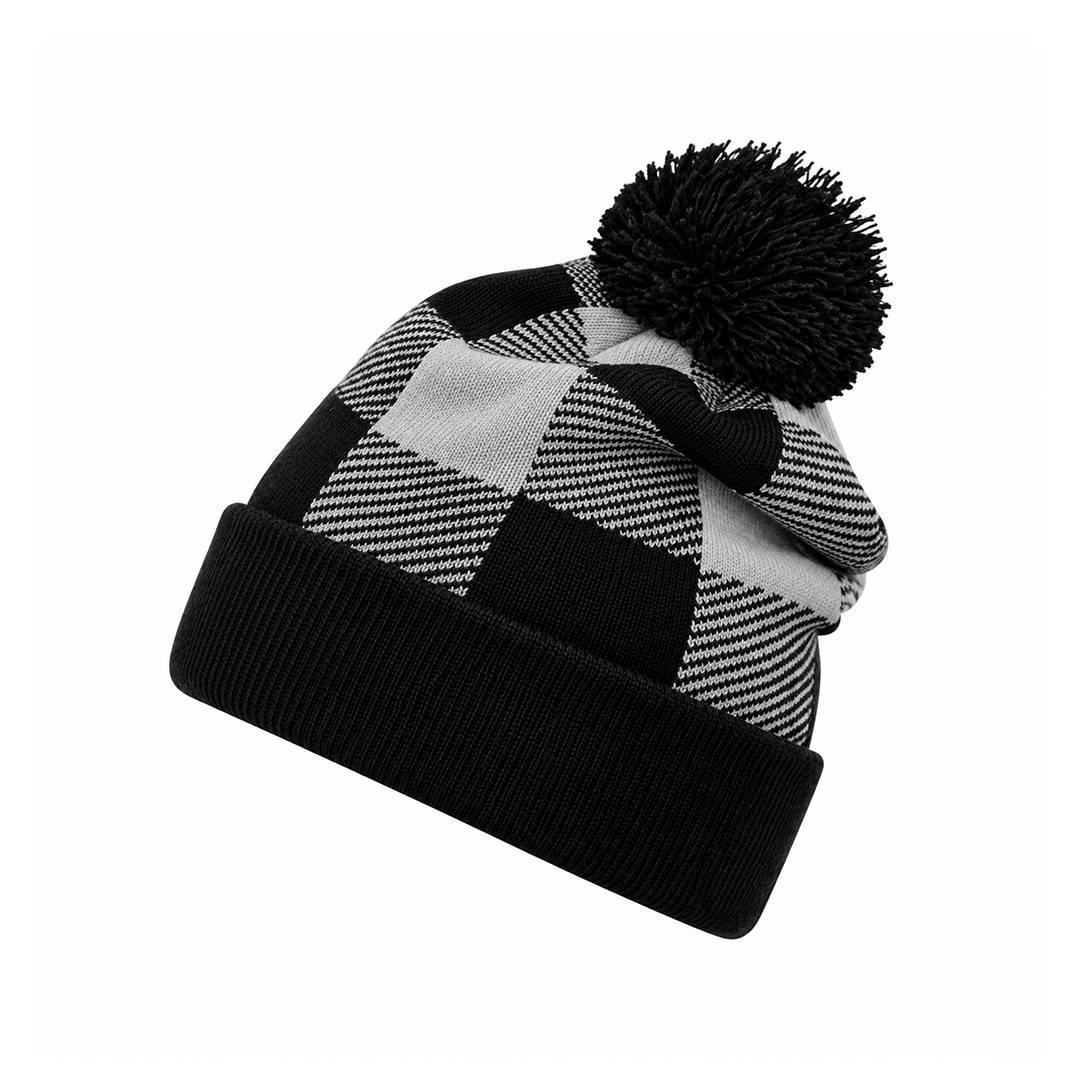
In short. Cuffed for almost everyone, uncuffed to add length to a rounder face, and slouch to soften a longer one.
Hair Makes More Difference Than Anything
Short hair gives you every option, and the hat sits where you put it. Longer hair changes the calculation, because volume behind the beanie pushes it forward and upward over the course of a day.
The practical fix is to place it slightly further back than feels right initially, so that natural migration brings it into position rather than past it. Tucking hair fully inside a cuffed beanie tends to create a bulge at the back; leaving it out reads more naturally.
Beanies and Glasses
Glasses and a low-worn beanie compete for the same space at the temples, and the usual result is the arms sitting over the knit and pushing it upward. Seating the beanie slightly higher, or choosing a shorter cuff, avoids the conflict entirely.
A thinner knit helps for the same reason. Bulky ribbed cuffs are the worst offenders, and a lighter fabric solves it without changing how the hat is worn.
Beanies in a Warm Climate
Florida gets perhaps six weeks where a heavy knit makes sense, which shapes what gets worn. Lighter cotton-blend beanies and short-cuff fisherman styles get far more use here than thick wool, because they read as an accessory rather than as cold-weather equipment.
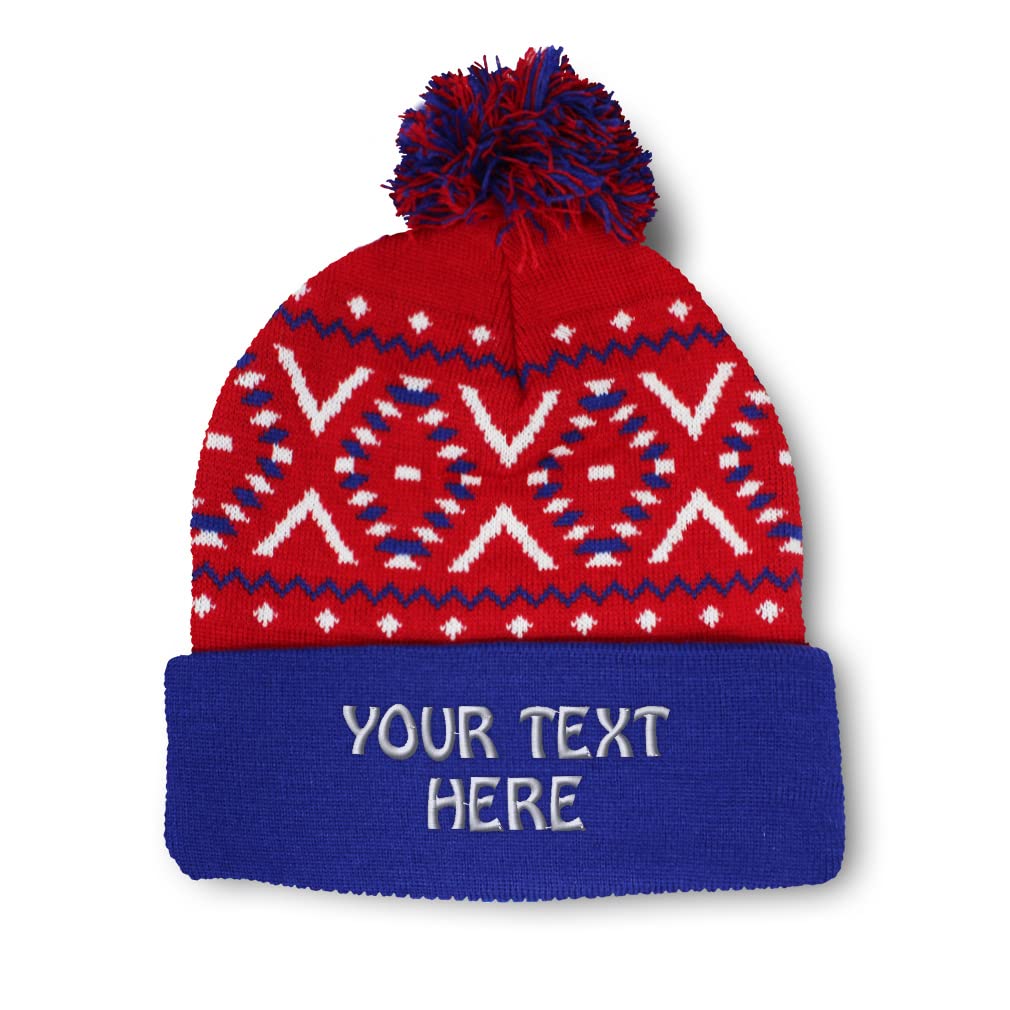
For businesses ordering branded beanies in this market, that matters. A heavyweight lined beanie will look right in photographs and sit unused in drawers. A lighter blend gets worn on the handful of cool mornings and on evenings out year-round.
Acrylic holds its shape and color better than wool blends and costs less to replace. Wool is warmer and softer, and it felts if it is ever washed warm. For branded runs, acrylic is usually the more sensible choice.
Beanies for Teams and Crews
Beanies solve a problem caps do not: they stay on in wind and they cover ears, which matters for anyone working outdoors on a cold morning. For crews that means they get worn on days when a cap would be abandoned.
The ordering advantage is that one size does cover almost everyone, so a group order needs no sizing survey at all. That makes beanies one of the simplest branded items to buy for a mixed group, and one of the more reliably used.
Where the Logo Sits
On a cuffed beanie the cuff is the reliable placement, because it is doubled, comparatively flat, and at eye level. That is where people look, and it is where a logo reads without the wearer having to turn.
On uncuffed and slouch styles the logo usually sits higher on the crown, which puts it at an angle nobody sees straight on. It works, but the mark needs to be simpler and bolder to survive that viewing angle. The style differences matter more for decoration than most people expect.
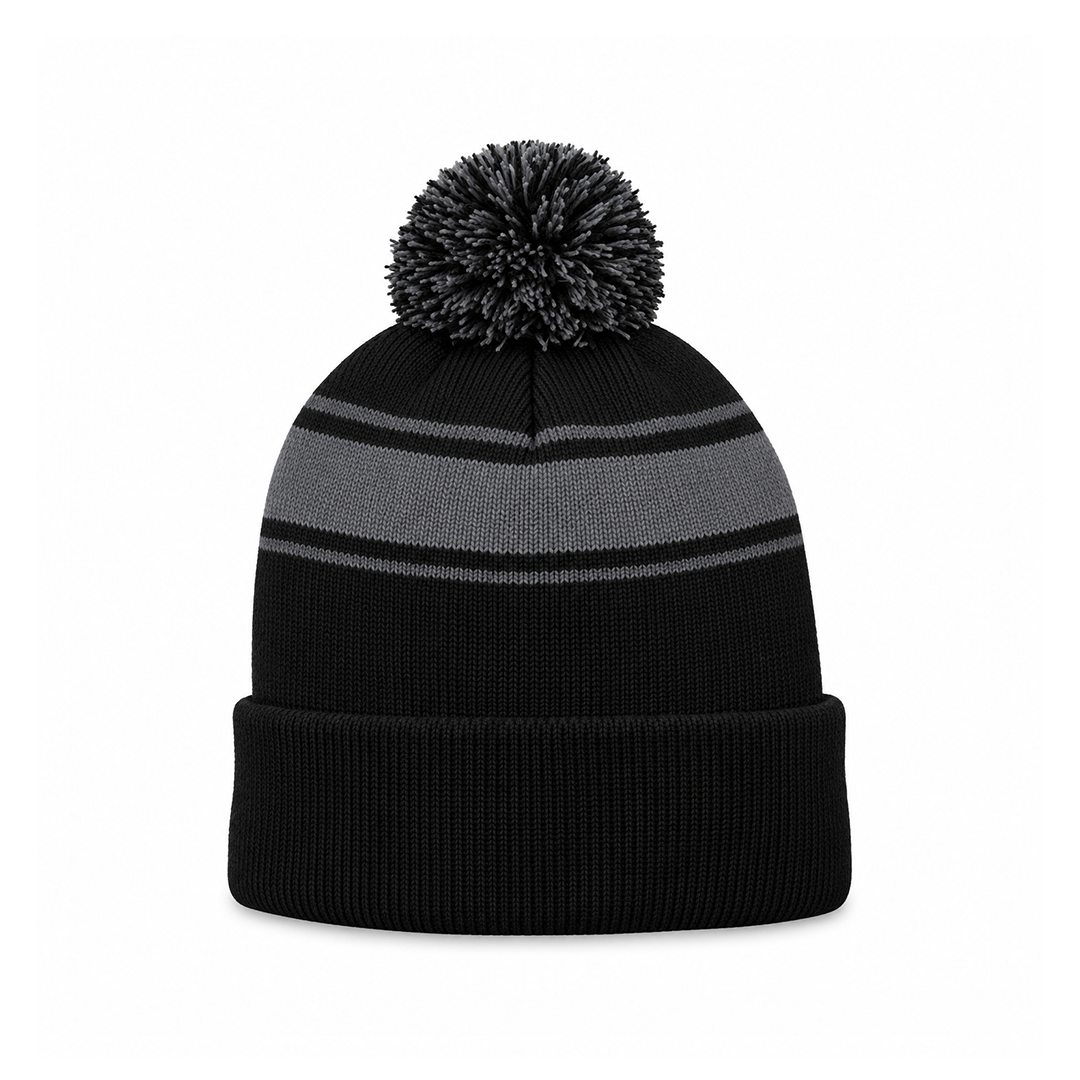
For any branded run, order cuffed unless you have a specific reason not to. It is the most widely worn shape and the folded cuff is the most forgiving surface to stitch into.
Wearing a Beanie With Other Layers
A beanie interacts with whatever is around the neck, and that is where most outfits go wrong rather than at the hat itself. A high collar or a hood pushes the back of the beanie forward, which is what causes the mid-forehead drift over the course of a day.
The fix is placement rather than adjustment: seat it slightly further back before putting a hood up, so the migration lands it correctly rather than past correct.
Branded Beanies in Practice
A logo on the cuff sits at eye level and reads clearly, which is why it is the standard placement. What is worth deciding deliberately is size, because a cuff logo that fills the whole band looks like a uniform and a smaller one looks like a product.
For hats intended to be sold rather than issued, smaller is almost always better. Customers buy restraint; crews accept prominence.
Care and Shape
Knit stretches while wet and sets in whatever shape it dries in, which makes drying more important than washing. Lay a beanie flat rather than hanging it, and never wring it. The weight of the water is enough to distort a wet knit permanently.

Cold water only. Heat felts wool and can shrink acrylic unevenly, and neither is recoverable.
A beanie that has stretched out can often be recovered by washing cold and laying flat to dry, which draws the knit back. A beanie that has felted from heat cannot be recovered at all.
Getting Custom Beanies Right the First Time
Pick cuffed, keep the design within what knit will hold, and choose a weight that suits the climate the hats will live in. Those three decisions cover most of what makes a branded beanie get worn rather than stored.
Speedy Pros Hats sends a free digital proof before anything is stitched, showing placement and thread colors against the actual yarn. No minimum, and free artwork setup on orders of 12 or more.
More recent guides: what is a slouchy beanie.

Frequently Asked Questions
How far down should a beanie sit?
The cuff should sit about a finger's width above the eyebrows with the ears covered, or high at the hairline. Mid-forehead is the position to avoid.
Should a beanie cover your ears?
In the low position, yes. In the high, modern position the ears are usually exposed, which is a style choice rather than an error.
How do you wear a slouch beanie?
Let the excess length fall behind the head rather than pooling on the crown. Bunching on top looks like a poor fit.
Which beanie suits a round face?
An uncuffed style worn slightly back adds vertical length, which balances a rounder face better than a heavy cuff does.
Do beanies stretch out over time?
Knit relaxes with wear. A cold wash and flat drying usually draws it back; heat damage does not reverse.
Which beanie style takes a logo best?
Cuffed. The folded cuff gives two stable layers of knit and places the logo at eye level.
Related Reading
- Beanie Styles Explained
- Toboggan vs Beanie
- Best custom beanies
- Custom Hat Buyer's Guide
- Order custom hats
How should a beanie fit?
A beanie should sit snug but not tight, with the cuff resting just above the ears for a classic look or higher for a slouchy one. If it leaves a deep mark or slides off, the length or knit is wrong.
Browse custom beanies
Shop the range: custom beanies.
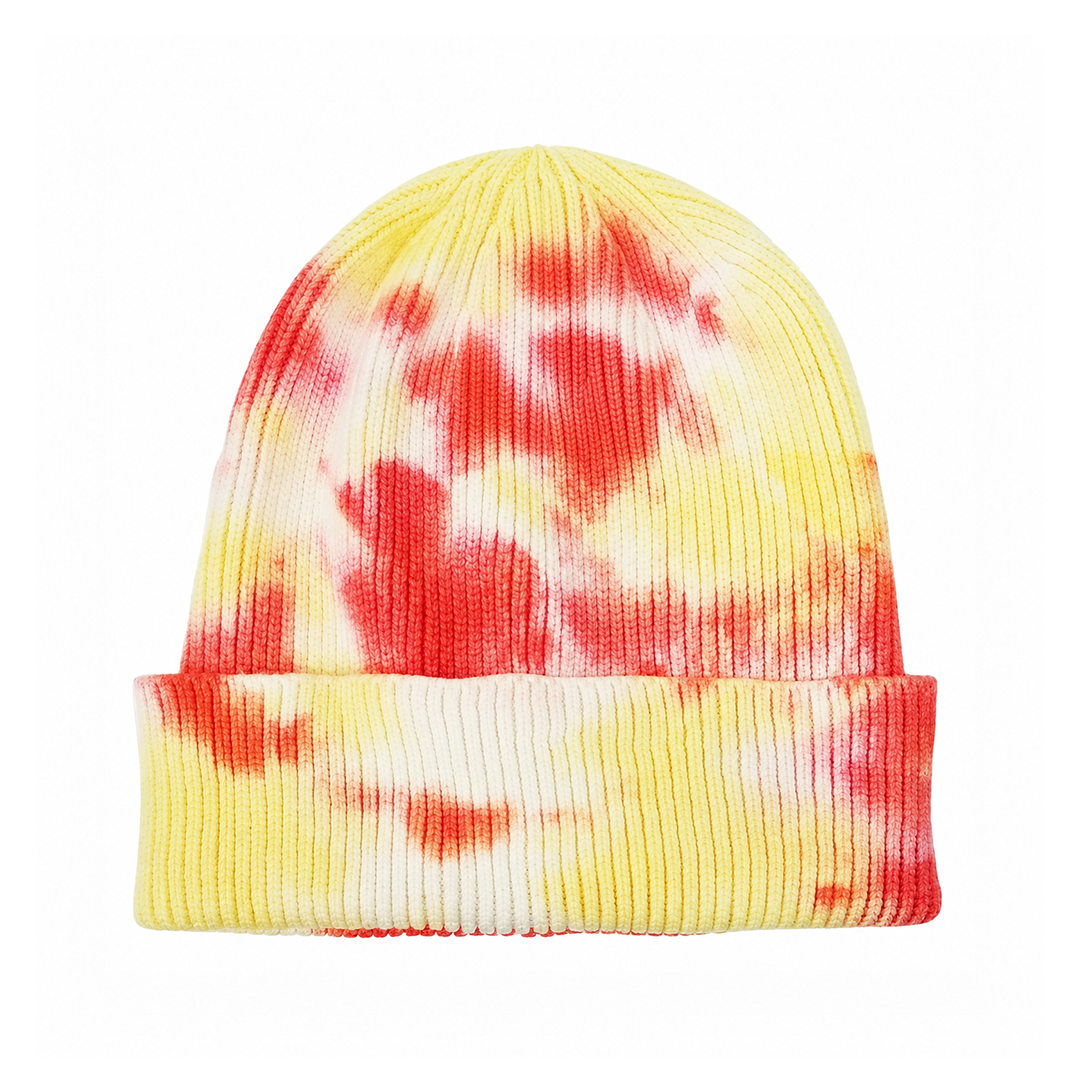
Speedy Pros also makes a full range of custom beanies — shop the Port & Company CP90 Cuffed Knit Beanie.
★★★★★ 4.9/5 · 23,000+ reviews · Made in the USA
Related guides: can you wear a beanie, can you wear a beanie, can you wear a beanie, style a beanie, design your own beanie, beanie logo placement, custom pom beanies guide, womens beanies, how to wear a beanie for women, and how to wear a beanie like a skater.